Can PRP Therapy Help Joint Pain? Dr. Nicholas Loafman, DO Explains
Platelet-rich plasma (PRP) therapy uses a concentrated portion of your own blood in an injection. It may help selected patients manage joint pain, including some people with knee osteoarthritis. Whether it belongs in your treatment plan depends on your diagnosis, symptoms, and goals.
 Expert insight from Nicholas Loafman, DO
Board-Certified Orthopaedic Surgeon
Southwest Michigan Center for Orthopaedics & Sports Medicine • St. Joseph, Michigan
Publication date: October 13, 2026
Medical review: Nicholas Loafman, MD
When joint pain starts changing how you walk, exercise, or get through the workday, it is natural to wonder what else might help. You may have heard about PRP injections through an athlete’s recovery story or while researching alternatives to surgery.
In the accompanying video, Dr. Nicholas Loafman, DO, of SWM Ortho explains how PRP is prepared, where it is being used, and why the decision should include a conversation about both potential benefits and cost.
What is platelet-rich plasma therapy?
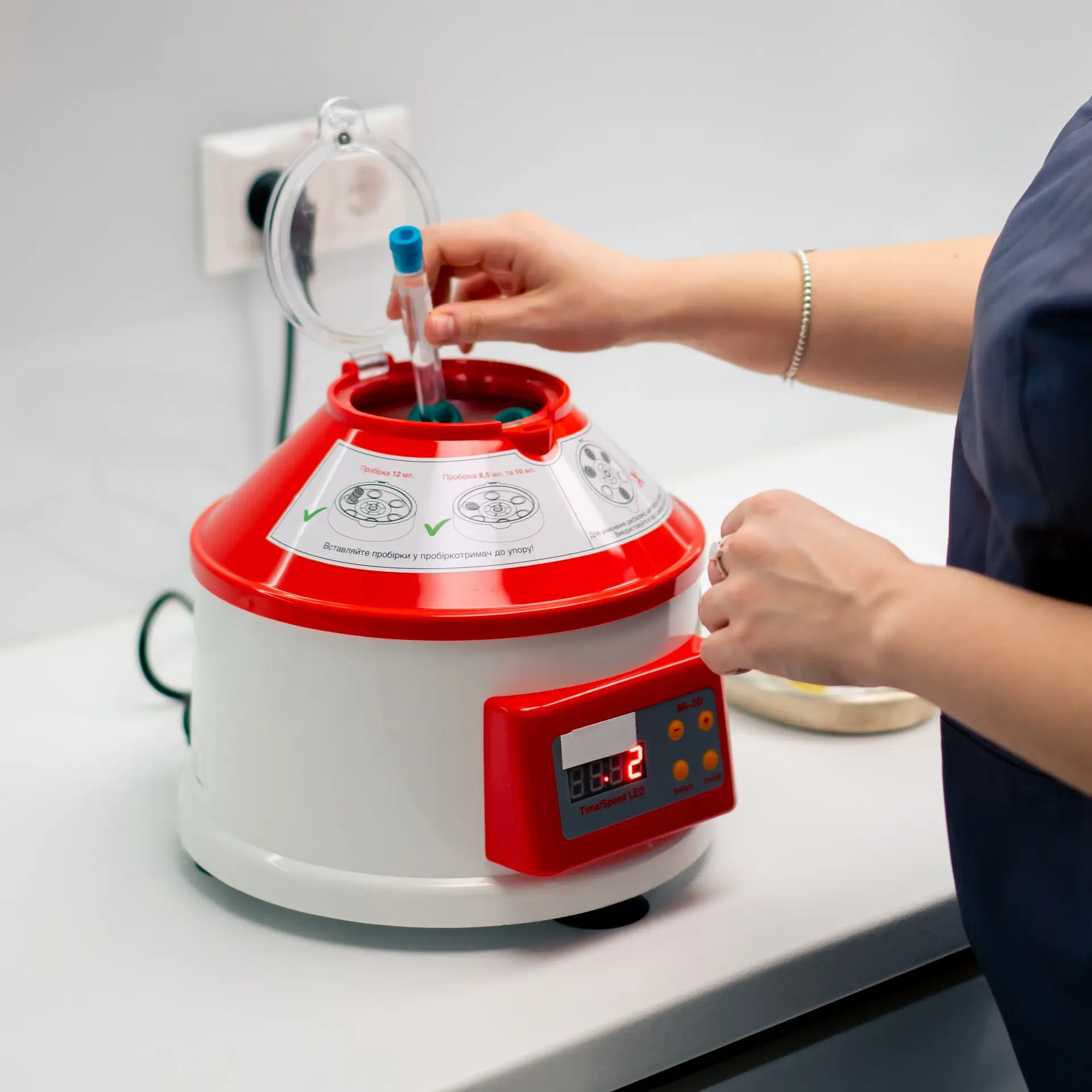
PRP begins with a sample of your own blood. The sample is processed to concentrate platelets, then the prepared material is injected into the area being treated. Dr. Loafman describes the basic idea as taking useful components from the patient’s blood and returning them to an area of pain.
Platelets contain growth factors involved in the body’s response to injury. A centrifuge separates the blood’s components so the platelets can be concentrated. Preparation methods differ, which is one reason PRP treatment is not identical everywhere. Learn how PRP injections are prepared.
PRP is one of the options included in SWM Ortho’s nonsurgical orthopaedic treatments.
What is known about PRP for joint and tendon pain?
 Dr. Loafman discusses PRP Therapy’s use for chronic tendon problems, including conditions involving the elbow and tendons around the ankle and knee. He also describes its use for selected early arthritic conditions affecting the shoulder, knee, and hip.
These are different problems. Pain around a joint may come from a tendon, while arthritis affects the joint itself. Identifying the source of pain helps guide the treatment discussion. That’s why it’s important to seek a consultation with one of our orthopaedic surgeons first.
Research is more established for some uses than others. The American Academy of Orthopaedic Surgeons describes encouraging evidence for mild to moderate knee osteoarthritis and certain chronic tendon conditions. Read the AAOS PRP overview.
Who might consider PRP injections?
In his video, Dr. Loafman describes PRP as an option some people want to explore when they hope to avoid surgery. That conversation starts with an evaluation, rather than an assumption that an injection is the next step.
Useful questions to bring to your appointment include:
- What is causing my pain?
- How well does PRP evidence apply to my specific condition?
- What other treatments should I consider?
- What improvement would be realistic for me?
- What would we do if the injection does not help?
Describe what pain prevents you from doing, whether that is climbing stairs, sleeping comfortably, working, or playing a sport. A treatment decision is more useful when it connects to the act
ivities you want to regain.
What can PRP realistically accomplish?
The goal is to improve symptoms and function. PRP should not be presented as a guaranteed way to rebuild cartilage, reverse arthritis, or eliminate the possibility of surgery. Hospital for Special Surgery notes that current research has not established tissue regrowth from these injections. Read about the capabilities and limitations of orthobiologics.
For patients considering several approaches, SWM Ortho’s joint replacement information can help prepare for a broader conversation about treatment options. Asking about surgery does not commit you to having it, just as asking about PRP does not mean it is the best fit.
What does treatment and recovery involve?
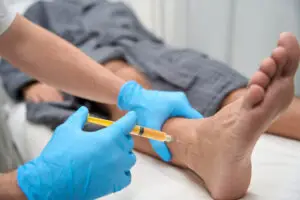
The basic process includes a blood draw, preparation of the platelet concentrate, and an injection. Before treatment, ask how your clinician plans to perform the injection and what instructions apply afterward.
Improvement, when it occurs, can take several weeks. Soreness or bruising may follow the injection; less common complications include infection, bleeding, and injury to nearby tissues or nerves. Johns Hopkins explains PRP recovery and risks.
Ask for an individual plan covering work, exercise, medication use, and follow-up. Do not change prescribed medication on your own. If rehabilitation is recommended, learn about SWM Ortho’s physical therapy services.
How much does PRP cost, and will insurance cover it?
Dr. Loafman identifies expense and lack of insurance payment as practical concerns. He also explains that the preparation equipment and supplies contribute to that elevated cost.
Before scheduling, ask the practice for the current price, what the estimate includes, and whether additional visits or injections could add to your expense. Check to see if you have individual coverage with your insurer.
Frequently asked questions about PRP therapy
- What does PRP stand for?
PRP stands for platelet-rich plasma. It is prepared from a sample of your own blood and contains a higher concentration of platelets.
- Can PRP help knee arthritis pain?
It may help selected patients, particularly those with mild to moderate knee osteoarthritis. An evaluation is needed to discuss whether the evidence applies to your knee. AAOS overview.
- Can PRP treat shoulder or hip pain?
Dr. Loafman discussed selected early arthritic conditions in these joints. Ask what is causing your pain and how strong the evidence is for that specific use; knee results should not be assumed to apply to every joint.
- Does PRP regrow cartilage?
PRP is not an established way to regrow cartilage or reverse arthritis. Symptom improvement does not prove that damaged cartilage has been restored. HSS explanation.
- How quickly will I notice a difference?
Benefits may take several weeks to become apparent. Ask when your SWM Ortho Orthopaedic Surgeon will assess your response and what changes to track. Johns Hopkins overview.
- How many injections will I need?
Ask your SWM Ortho Orthopaedic Surgeon for a proposed treatment schedule and the reasons for it.
- Is PRP risk-free because it uses my own blood?
No. Using your own blood does not remove injection-related risks. Discuss your health history and the potential complications before treatment. Johns Hopkins risk information.
- Is PRP covered by insurance?
Dr. Loafman notes that insurance typically does not cover treatment costs. Request an estimate from SWM Ortho and verify coverage with your insurer before deciding.
- Will PRP help me avoid joint replacement?
It cannot guarantee that. Dr. Loafman presents PRP as something selected patients may wish to explore when considering nonsurgical care. The appropriate next step depends on your condition and response to treatment.
Discuss PRP and joint pain treatment in Southwest Michigan
If joint pain is limiting your routine, an orthopaedic evaluation with one of our surgeons can help you understand the cause and compare your options.
To request an appointment with Dr. Nicholas Loafman or another SWM Ortho physician, call 269-428-3500 or request an appointment online. SWM Ortho’s St. Joseph office is located at 183 Peace Boulevard, St. Joseph, MI 49085.
Explore PRP therapy at SWM Ortho for an overview of the service and questions to discuss at your visit.
This article provides general education. Treatment recommendations and outcomes depend on an individual evaluation.