Sports Medicine: Common Injuries and When to Seek Care
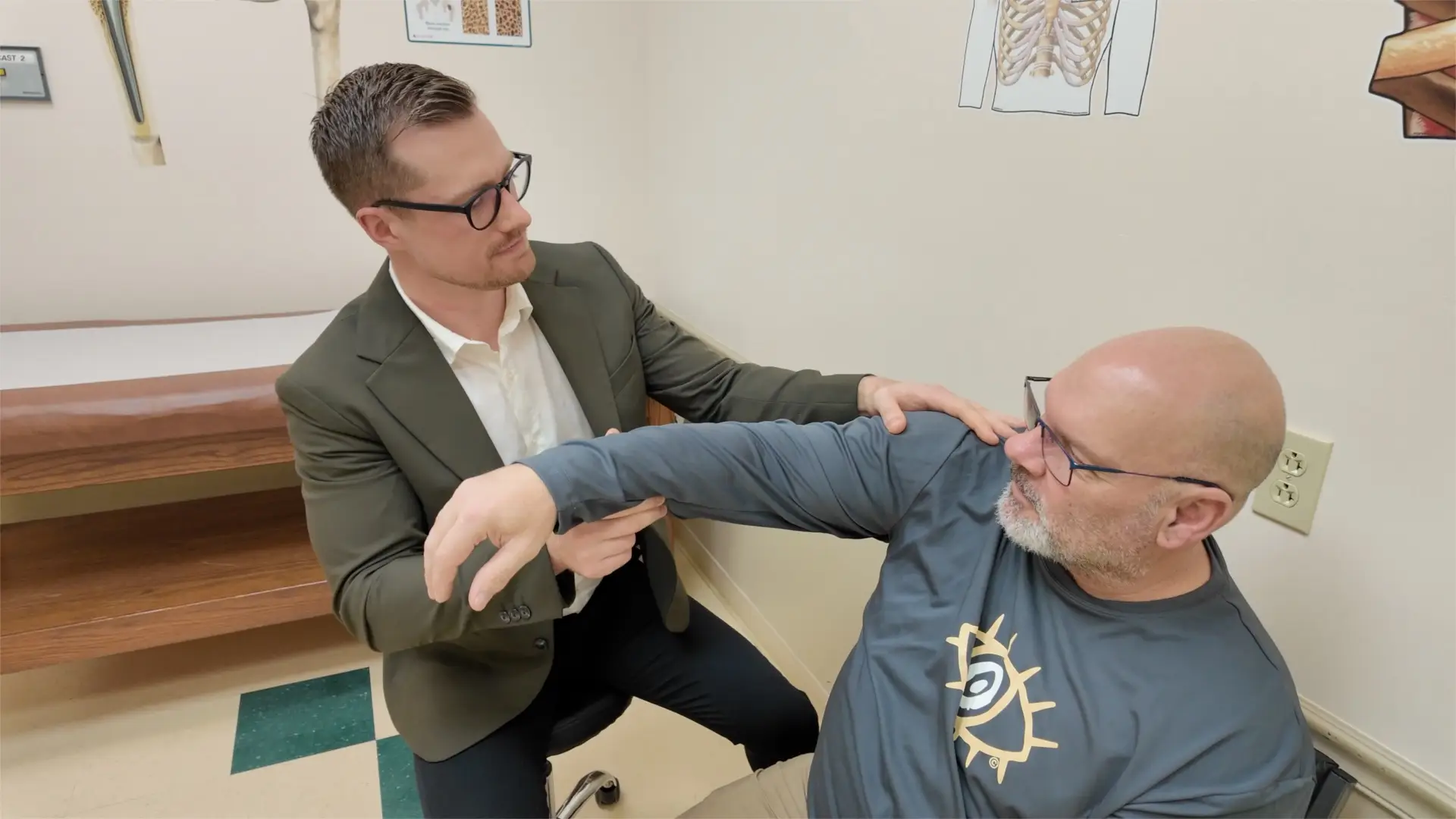
If you play sports or stay active, understanding basic Sports Medicine principles can save you time, pain, and long-term function. Early diagnosis matters. When a joint is injured, getting checked quickly can mean the difference between a simple repair and a more complex reconstruction or a prolonged recovery. Southwest Michigan Center for Orthopaedics & Sports Medicine’s Dr. Josiah Valk, DO, explains in this video.
Why early diagnosis matters
When an injury happens, the body starts healing right away. That healing can be helpful or problematic. For example, an ACL that might be repairable can scar down and become unsuitable for repair if evaluation is delayed. If reconstruction is needed, early work on range of motion and swelling control gets you on the path to recovery sooner.
Shoulder injuries: instability and rotator cuff tears
Shoulder injuries are one of the most common reasons athletes come to our orthopaedic clinic. Two frequent problems are shoulder instability and rotator cuff tears. Instability can be a one-time dislocation or a recurrent problem that requires surgery.
Surgical options vary based on the damage. For labral tears, we commonly perform labral repair. For specific patterns of instability, we may perform a procedure called a remplissage or utilize bone-restoring techniques if there is significant bone loss. These operations aim to restore stability so you can return to play safely.
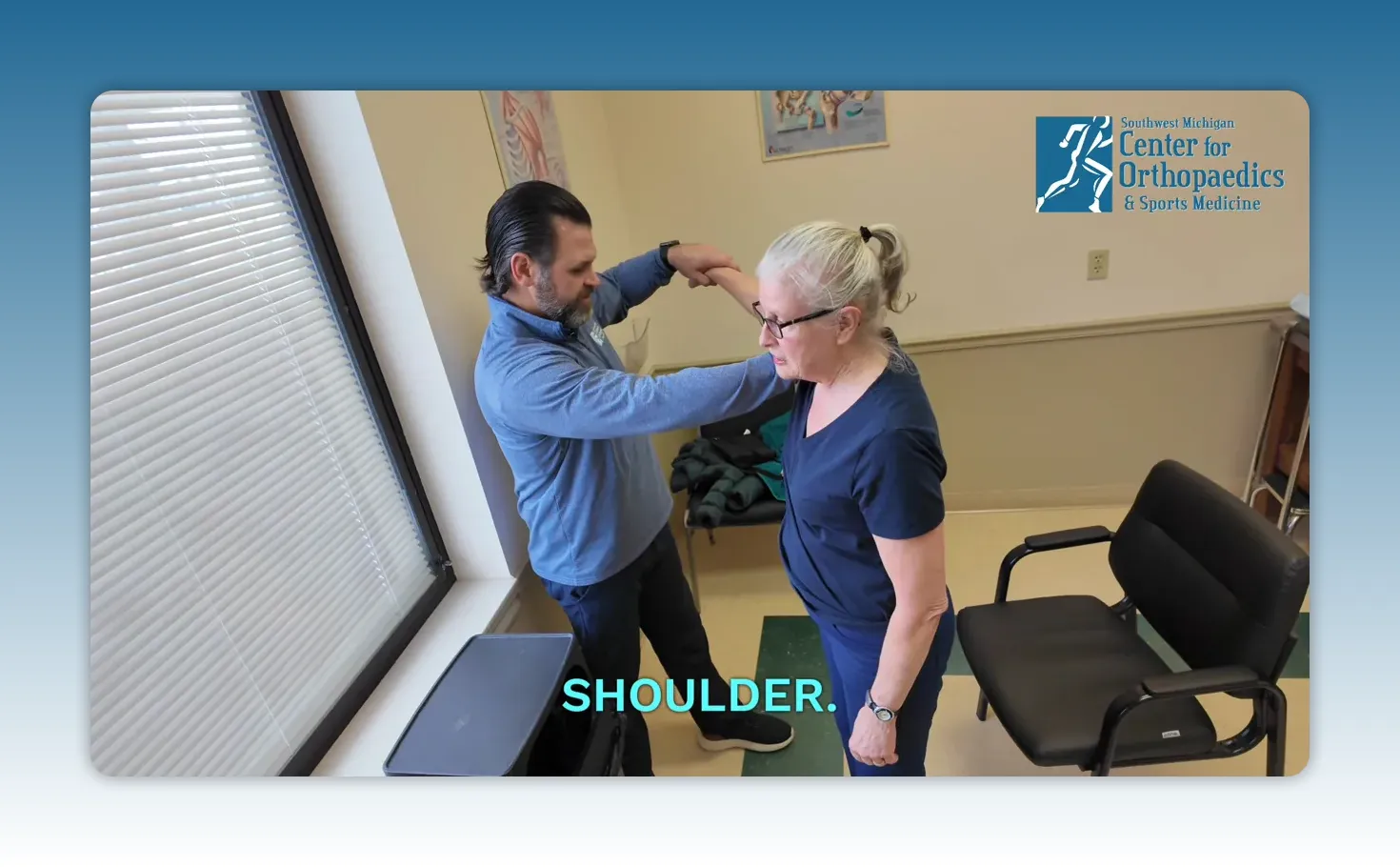
Rotator cuff tears deserve prompt attention. Small tears can enlarge over time and may become irreparable if left untreated. If you have persistent shoulder pain, weakness, or difficulty lifting your arm, evaluation by a Southwest Michigan Center for Orthopaedics & Sports Medicine specialist is warranted.
Knee injuries: the ACL and what to watch for
ACL tears are very common in young athletes but can occur at any age. They do not reliably heal on their own. Typical signs include a popping sensation at the time of injury followed by rapid swelling. These injuries often require surgery and a structured rehabilitation program.
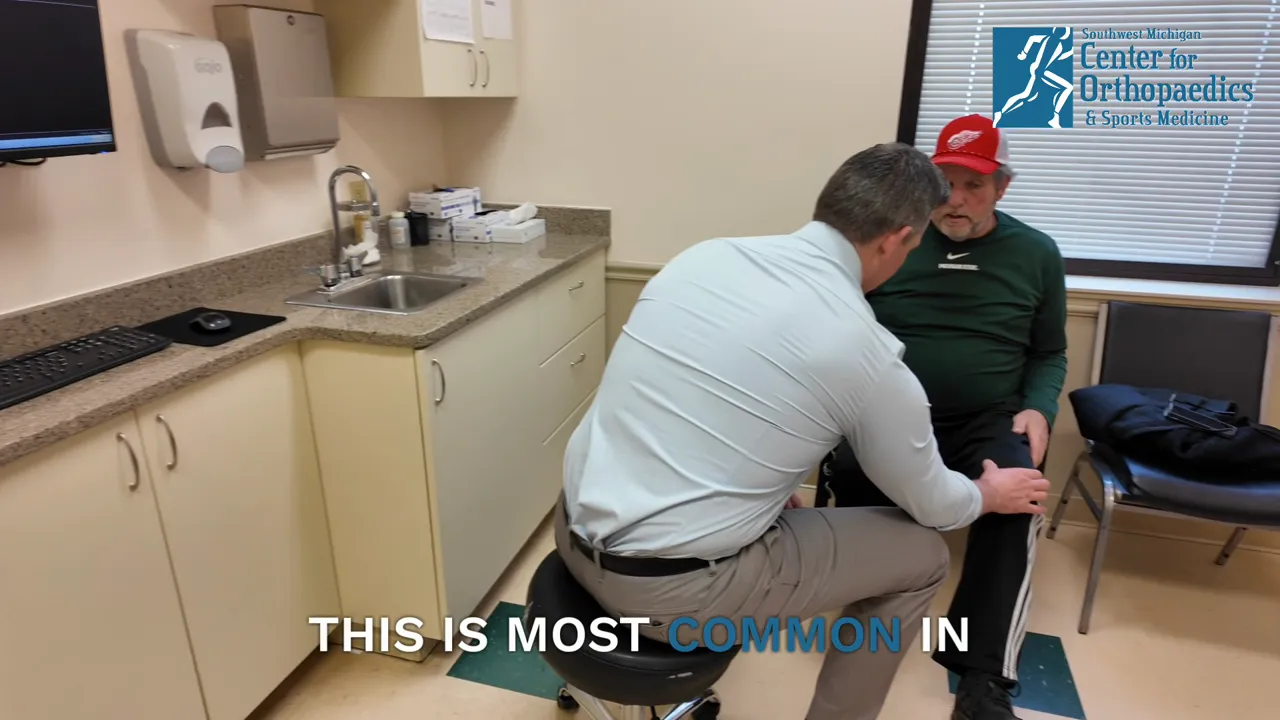
Timely assessment after an ACL injury helps determine whether a repair is possible or if reconstruction is the best option. Either way, early work on restoring full range of motion and controlling swelling leads to better outcomes.
Hip injuries: labral tears and groin pain
Hip labral tears present as groin pain or mechanical symptoms in the joint. Many labral tears can be treated arthroscopically, which minimizes recovery time and joint trauma. If you develop unexplained groin pain with activity, get evaluated for a possible labral tear.
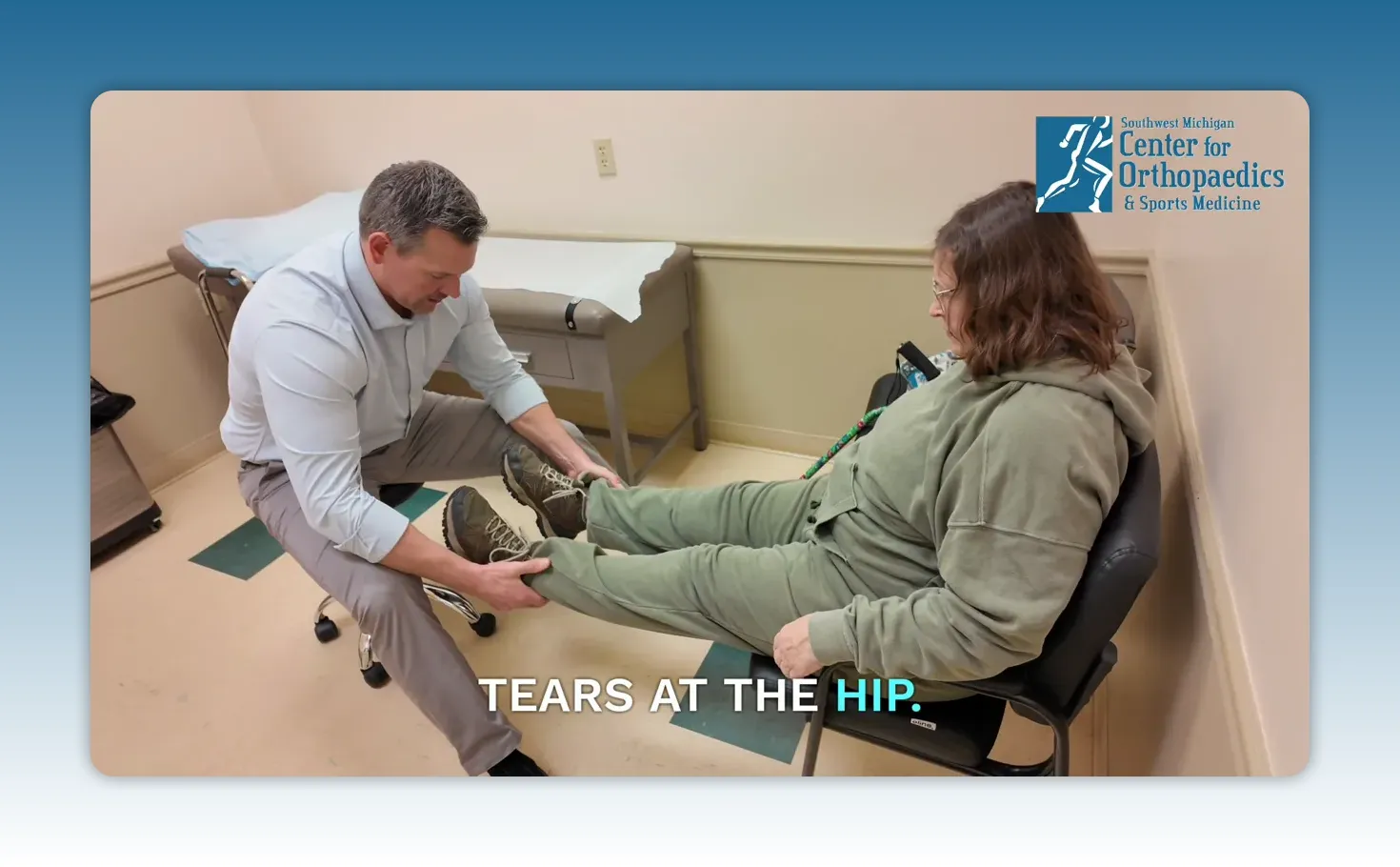
How a sports medicine evaluation helps
- Diagnose quickly: Identify injuries that benefit from early repair.
- Preserve options: Prevent scarring and degeneration that limit surgical choices.
- Restore motion: Early rehabilitation protects long-term function.
- Plan return to sport: Tailored surgical and non-surgical plans reduce re-injury risk.
Signs you should see a sports medicine specialist
- A popping sensation at the time of injury, especially in the knee or shoulder
- Significant or rapid swelling after an injury
- Recurrent instability or dislocations
- Persistent pain or weakness that does not improve with rest
- Groin pain with activity, suggesting hip labral involvement
FAQ
How quickly should I be evaluated after a sports injury?
As soon as possible. Early evaluation helps determine if an injury like an ACL tear can be repaired before scarring, and guides early rehabilitation to restore motion. Quick action preserves more treatment options.
Can a torn ACL heal without surgery?
Most complete ACL tears do not heal on their own. Treatment depends on activity level, stability, and goals. Many athletes and active people undergo reconstruction to restore knee stability and allow a safe return to cutting and pivoting sports.
When is shoulder surgery necessary?
Surgery is considered for recurrent dislocations, significant labral or rotator cuff tears, and when instability or tear size threatens function. The specific procedure depends on the pattern of injury and whether there is bone loss.
Are hip labral tears treated without surgery?
Some labral issues respond to physical therapy and activity modification. However, many labral tears causing mechanical symptoms or persistent pain are treated arthroscopically to repair or debride (trim/smooth) the labrum and address underlying structural problems.
What should I do right after I injure a joint?
Control swelling with ice and elevation, protect the joint, and avoid activities that increase pain or instability. Seek early medical evaluation by one of our Orthopaedic Surgeons, especially if you felt a pop, have significant swelling, or cannot bear weight.
Contact Our Team of Orthopedic Surgeons |
|
|
| Schedule Your Consultation |