
Why Therapy Matters After Orthopaedic Surgery
Orthopaedic Surgery is only one part of the recovery process. What happens before and after a procedure plays a major role in helping you move better, regain function, and avoid setbacks. That is why physical therapy is not simply an optional extra. It is an important part of optimizing the outcome of Surgery.
Some people need motivation to stay consistent. Others need clear direction on how to move, strengthen, and progress safely. Physical therapy provides both. It gives recovery a plan, professional guidance, and a practical path forward. Southwest Michigan Center for Orthopaedics & Sports Medicine’s Dr. Nicholas Loafman,DO explains in this video.
Physical Therapy Gives Recovery Structure
After an injury or Orthopaedic Surgery, it can be difficult to know what to do, how much to do, or when to advance. Moving too little can contribute to stiffness and loss of function. Pushing too hard or using the wrong technique can also interfere with recovery.
Our therapists help create the direction that many people need. The focus is not just on completing exercises. It is on working through a personalized progression that supports strength, mobility, and everyday function.
For some people, the biggest barrier is motivation. Recovery can take consistency, particularly when improvement comes gradually. Regular therapy appointments create accountability and help keep rehabilitation moving in the right direction.
Therapy Helps Optimize the Outcome of Orthopaedic Surgery
The goal after Orthopaedic Surgery is not merely to heal. The goal is to recover as fully as possible. Physical therapy helps patients work toward better movement, improved strength, and a safer return to the activities that matter in daily life.
Rehabilitation is valuable after more than hip or knee procedures. It can be an important part of care following many orthopaedic conditions, injuries, and surgeries. A coordinated plan gives each stage of recovery a purpose.
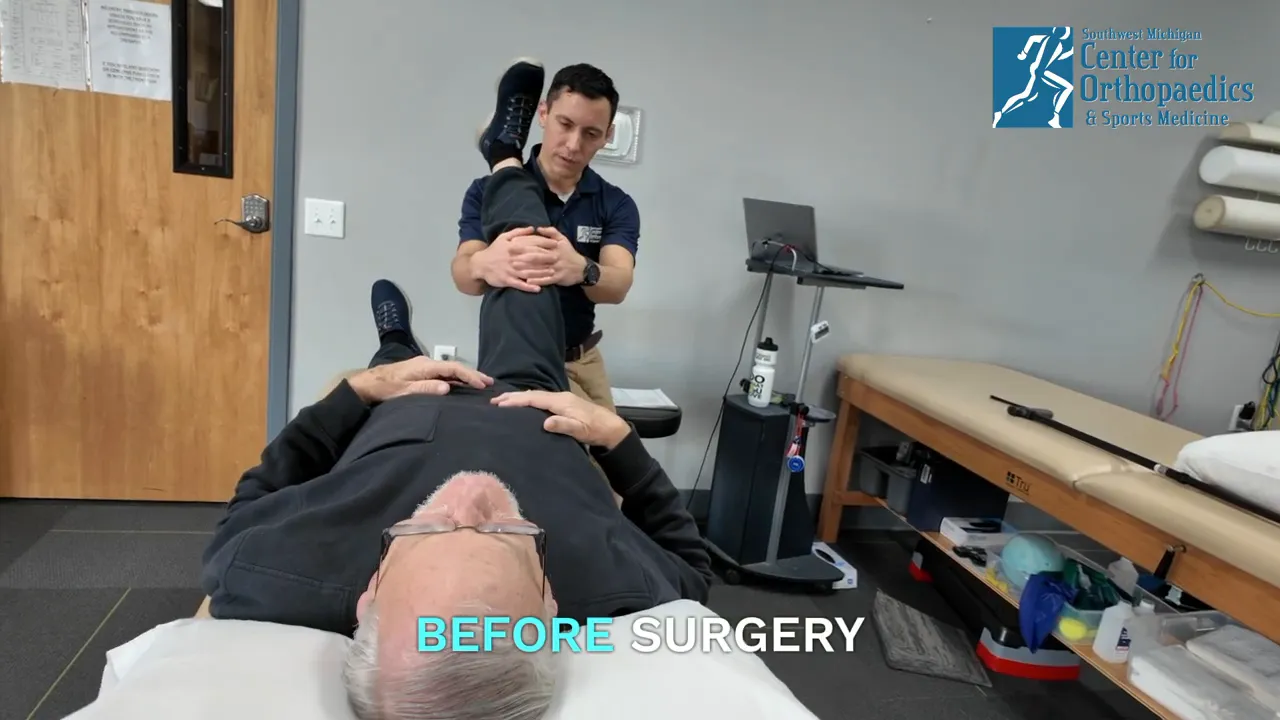
Working with a therapist means having someone assess movement, provide hands-on guidance when appropriate, and help address issues as they arise. This can make the recovery process more productive and more manageable.
What Can Happen When Therapy Is Skipped?
Choosing not to attend recommended therapy can put recovery at risk. Problems such as stiffness, pain, or other limitations may develop, even when they could have been addressed with timely rehabilitation.
These issues can interfere with progress and may make it harder to regain the motion or function expected after Orthopaedic Surgery. Physical therapy is designed to identify and work through those challenges early, rather than allowing them to become larger obstacles.
That does not mean every recovery looks the same. Every patient has different needs, goals, and levels of readiness. But when therapy is recommended, it is because it can play an important role in helping achieve the best possible outcome.
Preventing Complications Is the Goal
One of the central goals of Orthopaedic Surgery is to avoid the need for additional surgery. Revision surgery is something we want to prevent whenever possible.
That prevention starts before the procedure. Optimizing a patient before surgery can help prepare the body for recovery. It continues after surgery with an appropriate therapy plan intended to reduce postoperative complications and address recovery concerns early.
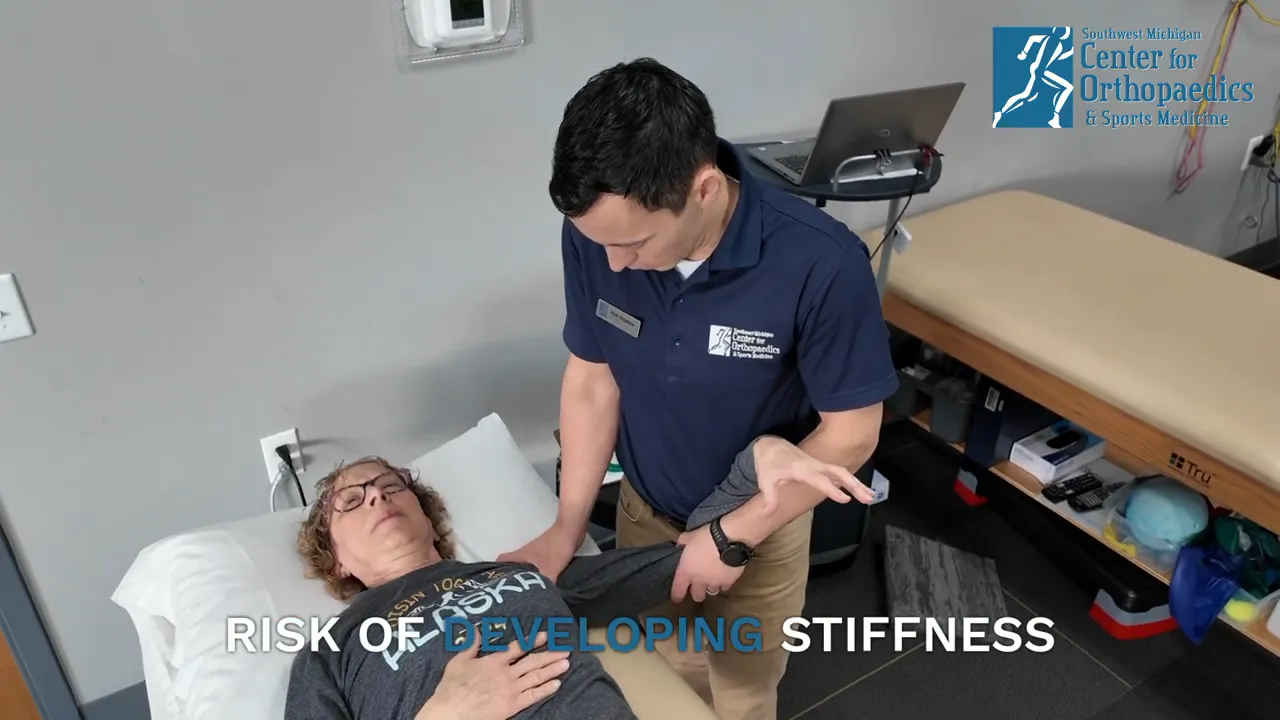
Physical therapy is part of a larger effort to avoid pain, stiffness, functional limitations, and complications that could lead to further procedures. It supports a more complete recovery from Orthopaedic Surgery by keeping the focus on movement, progress, and prevention.
Make Therapy Part of the Plan
Recovery does not end when the procedure is complete. The work afterward matters. If physical therapy is recommended as part of your orthopaedic care plan, it is worth treating that recommendation as an investment in your outcome.
Follow your surgeon’s plan, ask questions when something is unclear, and communicate with your care team about pain, stiffness, or difficulty progressing. With the right direction and consistency, therapy can help you move better, live stronger, and get the most from your Orthopaedic Surgery.
Contact Our Team of Orthopedic Surgeons |
|
Southwest Michigan Center for Orthopaedics & Sports Medicine |
| Schedule Your Consultation |
Frequently Asked Questions About Physical Therapy and Orthopaedic Surgery
Why is physical therapy recommended after Orthopaedic Surgery?
Physical therapy helps support mobility, strength, function, and overall recovery. It also helps address issues such as stiffness and pain that may interfere with progress.
Is physical therapy only for hip or knee surgery?
No. Physical therapy can be an important part of rehabilitation for a range of orthopaedic injuries, chronic conditions, and surgical recoveries.
Can skipping therapy affect recovery?
Skipping recommended therapy may increase the risk of stiffness, pain, or other correctable issues that can limit recovery and function.
How does therapy help prevent another surgery?
Therapy is part of the effort to optimize recovery and avoid postoperative complications or limitations that could contribute to the need for additional surgery.